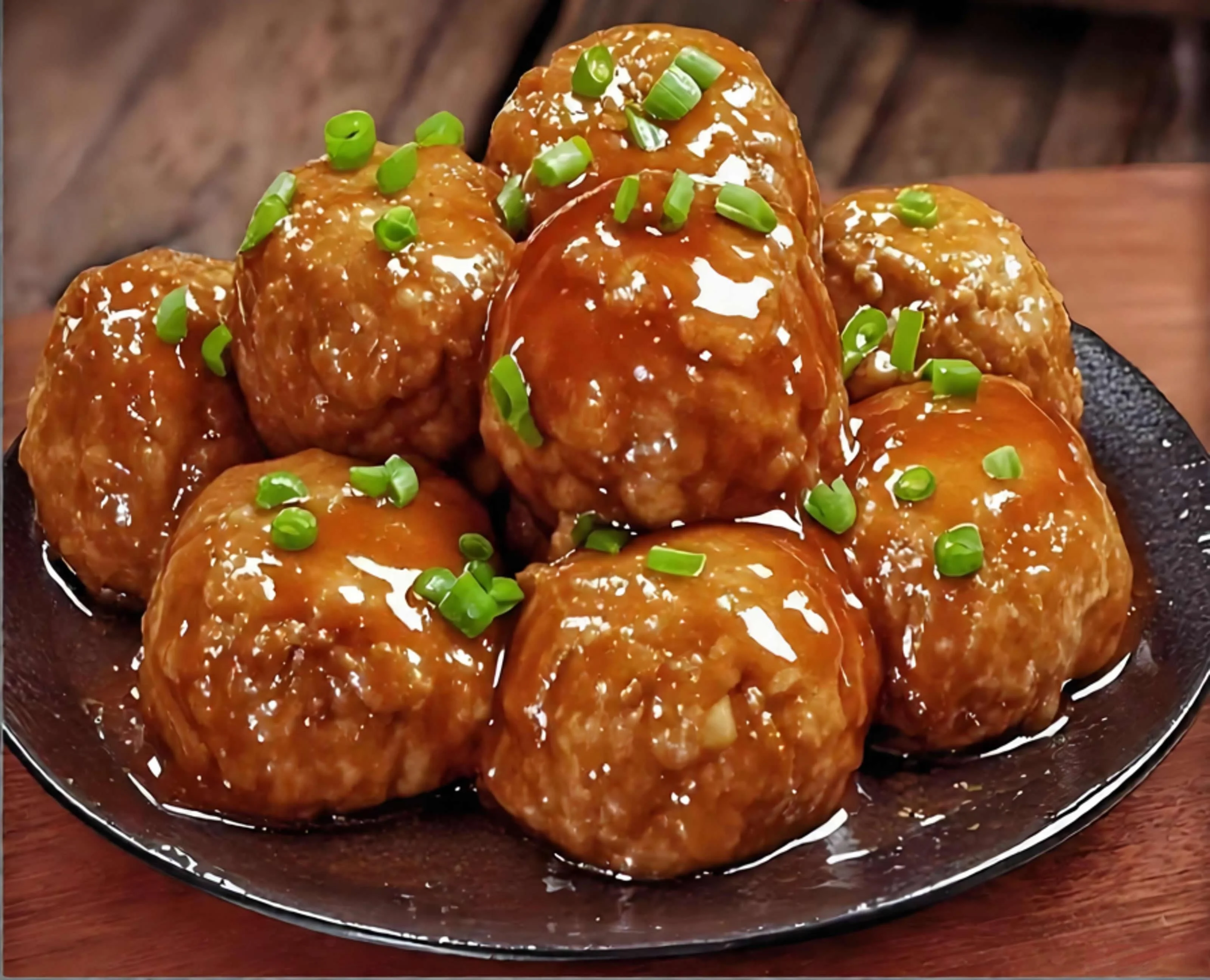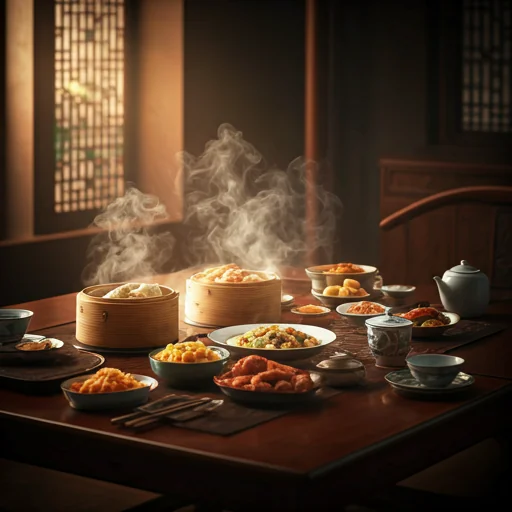
The spirit of gastronomy
A culture of ritual, memory, and shared tables.
Chinese food culture is not only about cooking. It is a system of values shaped by agriculture, family structure, cosmology, etiquette, and seasonal time.
Origins
From earthen vessels to imperial banquets
From the earliest agricultural settlements, cooking was tied to survival, ceremony, and the discovery of materials that could hold, preserve, and transform food.
By the Ming and Qing periods, Chinese dining had developed a mature aesthetic language that united color, fragrance, flavor, texture, and form into a complete cultural expression.
Seasonal order: eat in time with the year
Food follows climate, harvest, and bodily rhythm. Seasonal eating remains one of the most enduring structures in Chinese culinary thought.
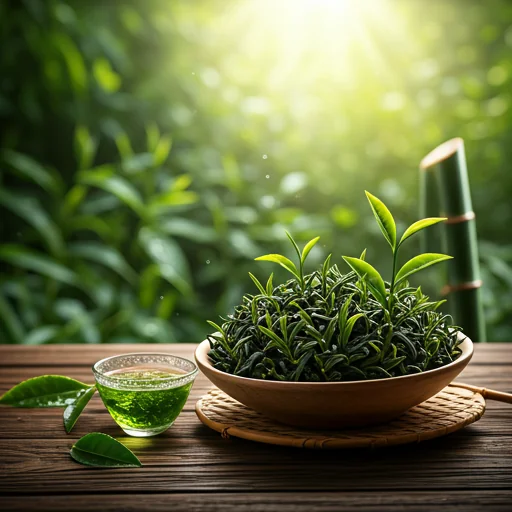
Spring: welcome new growth
Spring pancakes, shoots, and tender greens mark renewal and movement after winter storage.
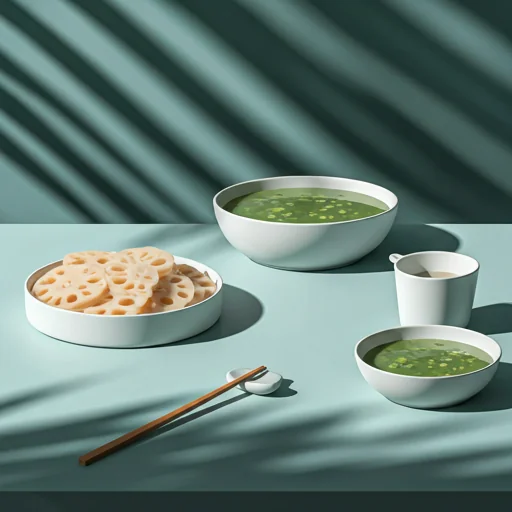
Summer: cool and lighten
Mung bean, lotus, and chilled dishes respond to heat with clarity and ease.
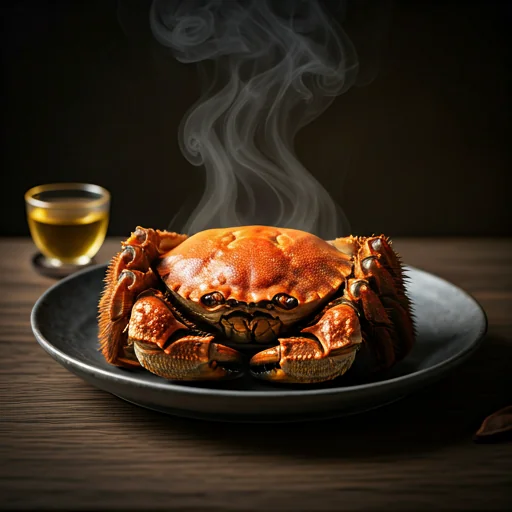
Autumn: nourish and gather
Autumn emphasizes richness, sweetness, and the elegance of gathered abundance.
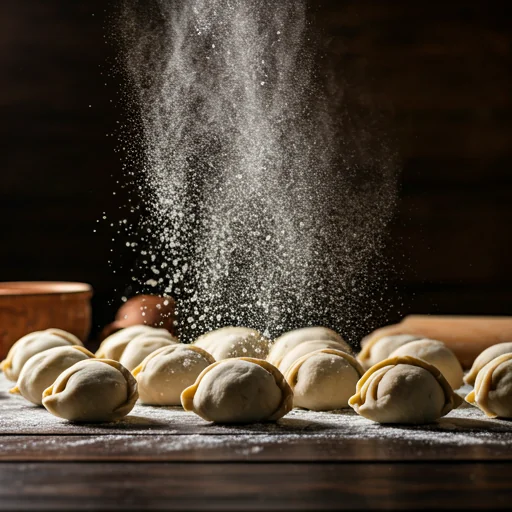
Winter: warmth and reunion
Dumplings, broths, and stove-side meals bind climate, family, and festival together.