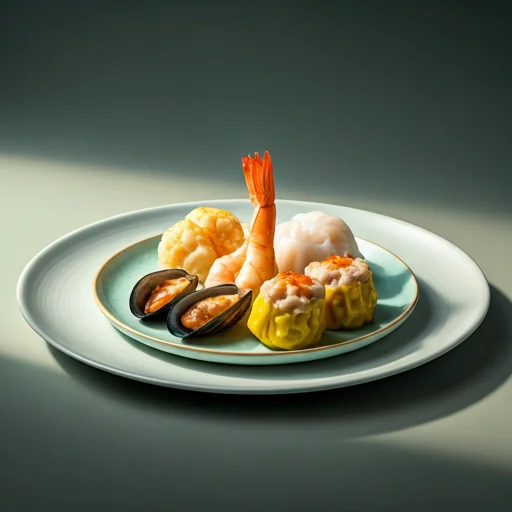
GUANGDONG
Cantonese
Clear, precise, ingredient-first
Cantonese cooking values clarity, timing, and restraint. Seafood, dim sum, and roasting traditions define a cuisine that keeps the ingredient in the foreground.
A culinary atlas of China
Travel from the peppered heat of Sichuan to the gentle elegance of Jiangnan and discover how geography, ritual, and craft shaped Chinese taste.
GUANGDONG
Clear, precise, ingredient-first
Cantonese cooking values clarity, timing, and restraint. Seafood, dim sum, and roasting traditions define a cuisine that keeps the ingredient in the foreground.
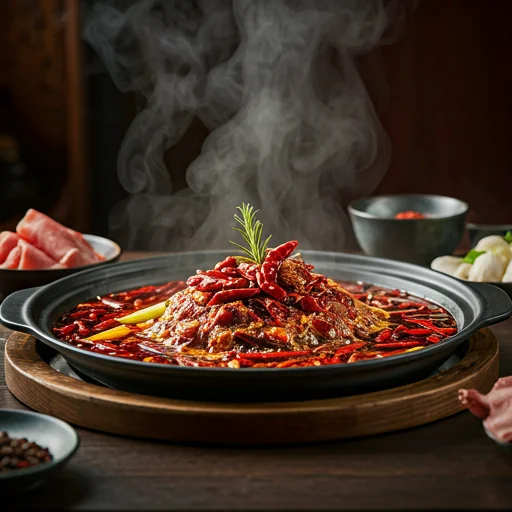
SICHUAN
A hundred dishes, a hundred flavors
Sichuan cuisine layers chili, peppercorn, broad bean paste, and aromatics into a deeply expressive system of flavors known for its range as much as its heat.
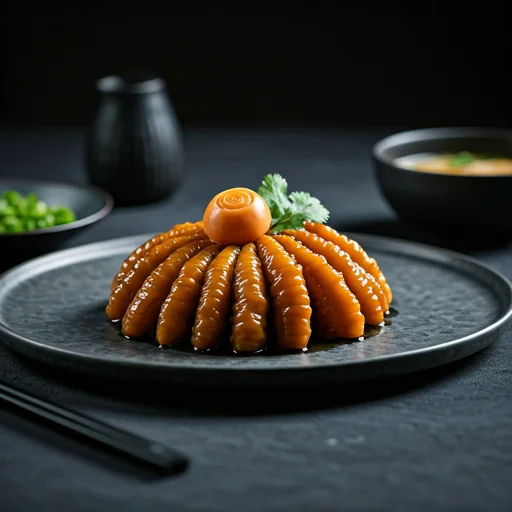
SHANDONG
Pure savory depth and northern confidence
Shandong cuisine is formal, stock-driven, and technically complete. It shaped banquet cooking and remains foundational in northern Chinese culinary language.

JIANGSU
Refined broth craft and graceful knife work
Built around river produce, soups, and elegant presentation, Jiangsu cuisine turns sweetness, softness, and precision into a literati art form.
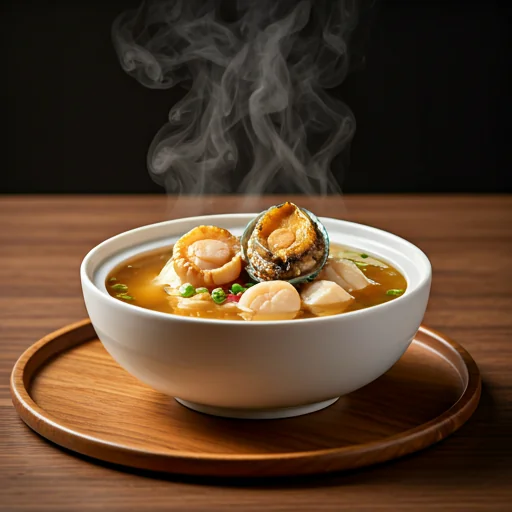
FUJIAN
Broths, sea aromatics, mountain freshness
Fujian cuisine is delicate, oceanic, and soup-forward, known for layered fragrance and a quiet depth built from land and sea ingredients.
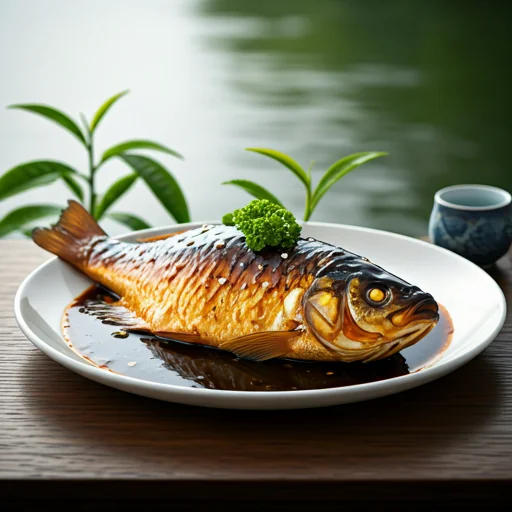
ZHEJIANG
Seasonal brightness and Jiangnan elegance
Zhejiang cuisine is lyrical and light. It emphasizes seasonal produce, river fish, tea culture, and a polished balance of freshness and softness.
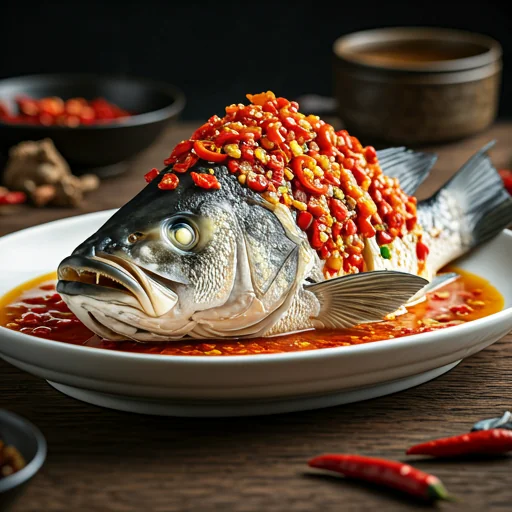
HUNAN
Bright heat, smoke, and extroverted aroma
Hunan cuisine is hot, sour, and vigorous, drawing power from preserved ingredients, smoke, and the sharp directness of chopped chili.
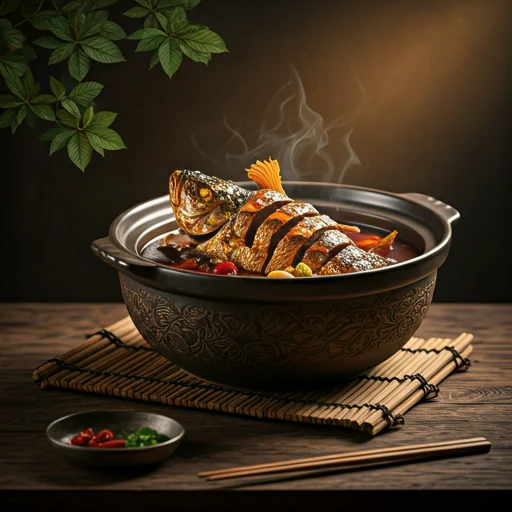
ANHUI
Mountain rusticity and deep fire craft
Anhui cuisine favors braising, stewing, and woodland ingredients. It transforms mountain produce into dishes with earthy intensity and generous depth.