Stinky Mandarin Fish
Stinky Mandarin Fish is a classic traditional dish from Huizhou, Anhui Province. Its signature trait is that it smells pungent yet tastes delicious. Rather than spoiled fish flesh, its unique savory flavor comes from light fermentation.
Difficulty
Medium
Prep Time
40min
Cook Time
40min
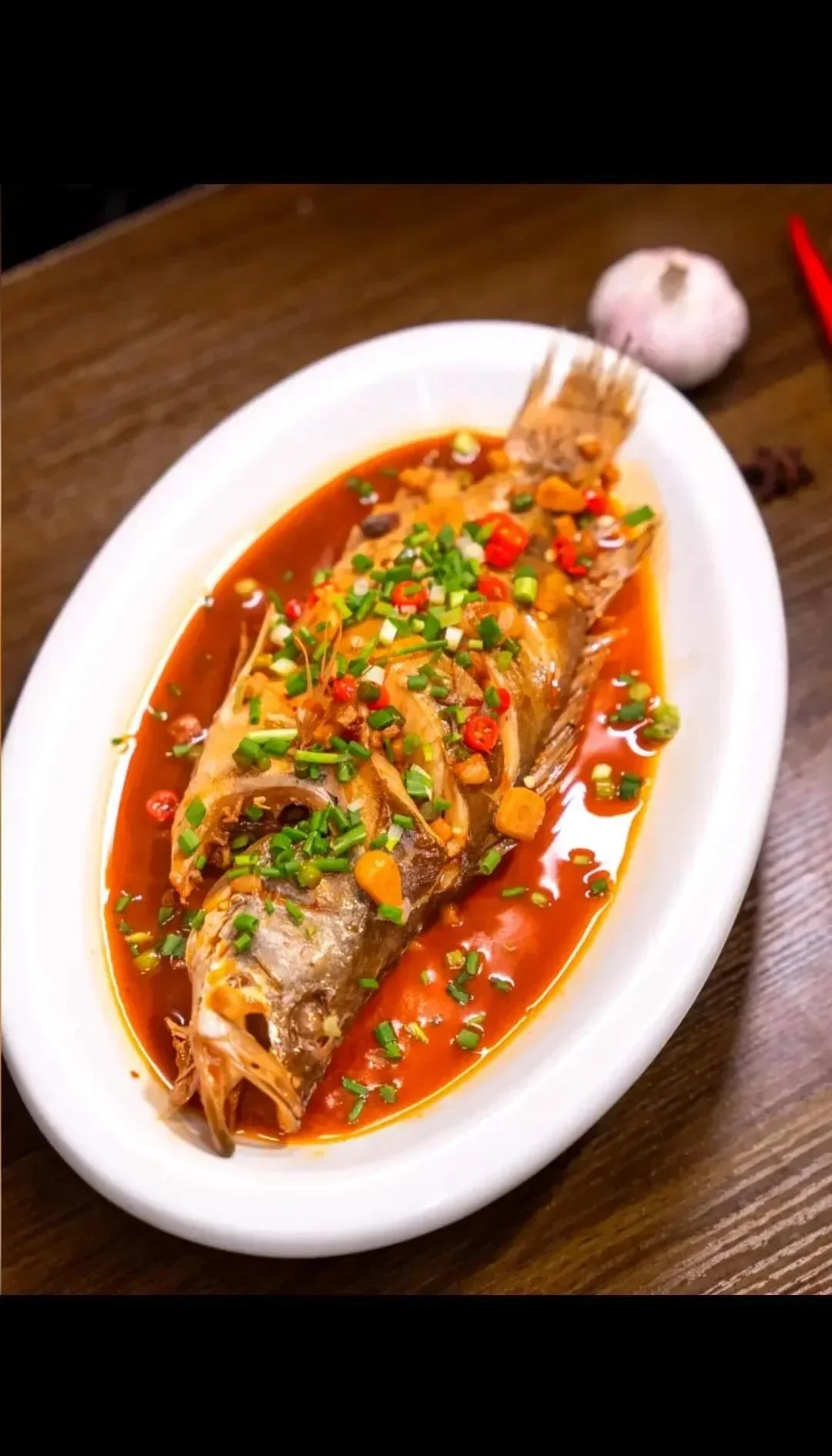
Medium · Heritage Classics
Method
Ferment and cure mandarin fish to make stinky mandarin fish (You may buy pre-cured stinky mandarin fish from supermarkets and skip this step.)
Prep the Mandarin Fish
Scale, descale, remove gills and innards. Scrape off all black membrane inside the fish cavity (this is the main source of fishy odor). Rinse thoroughly with clean water, then pat the entire fish, inside and out, completely dry with kitchen paper. Residual moisture causes spoilage and uneven fermentation.
Toast Sichuan Pepper Salt
Add coarse salt and Sichuan peppercorns to a cold pan. Toast over low heat until the salt turns pale yellow and the peppercorns release their aroma. Let cool for later use. Salt ratio: 15–20 grams of salt per 500 grams of fish.
Rub Seasonings, Seal and Ferment
Rub the pepper salt evenly all over the fish’s body, gills and belly cavity. Stuff ginger slices inside the cavity and drizzle a small amount of high-proof liquor to inhibit bacteria. Stack the fish in a ceramic jar or wooden barrel and weigh them down with a heavy object.
- Room temperature 24–28°C: Ferment for 4 days; hot summer weather: 2 days; cold winter weather: 6–7 days.
- Fermentation readiness standard: The fish gives off a distinctive fermented scent that smells mildly pungent yet agreeable. Gills are dark red (not black), and the flesh is firm.

Prep the fish
Rinse the fermented mandarin fish under clean running water, then soak it in light salt water for 30 minutes. Cured fish tends to be overly salty, so this step draws out excess salt. Cut peony-shaped diagonal slashes on both sides of the fish. Pat the fish’s surface completely dry with kitchen paper to avoid oil splatters and broken fish skin while pan-frying.
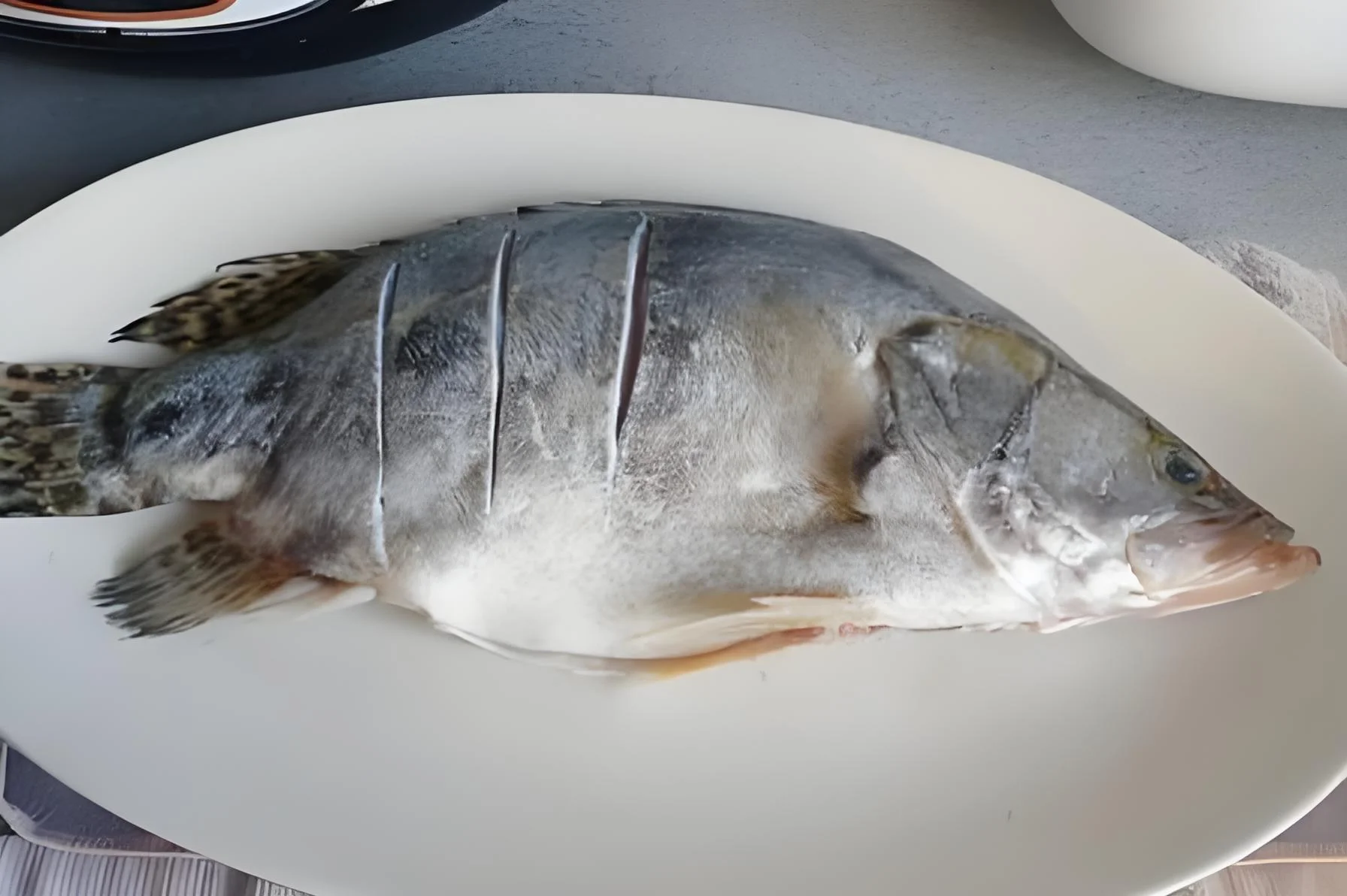
Pan-Fry the Fish to Set Shape (Critical Tip: Keep Fish Skin Intact)
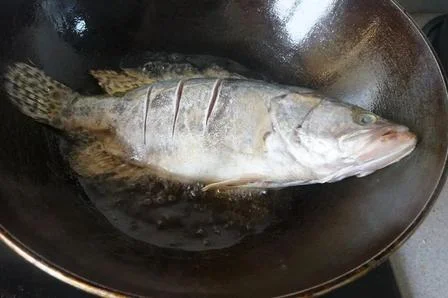
Heat the wok and pour in a generous amount of oil. When the oil reaches medium-high heat (150–180°C / 60% hot), slide the fish into the wok. Do not flip the fish after placing it; let it sit undisturbed for 2–3 minutes. Pan-fry one side until golden brown and firm, then flip and fry the other side to golden as well. Transfer the fish to a plate and set aside.
Pro Tip: Fully patting the fish dry + hot wok with hot oil ensures zero sticking.
Sauté Aromatic Base
Leave residual oil in the wok, add thinly sliced streaky pork, and render out fat over low heat. Toss in ginger slices, whole garlic cloves, bird’s eye chilies and star anise to stir-fry until fragrant. Add 1 tablespoon of Pixian chili bean paste, stir gently over low heat until the oil turns bright red and releases rich aroma. If you have diced Huangshan bamboo shoots or shiitake mushrooms, toss them in now and stir-fry for 1 minute.
Braise to Absorb Flavor
Put the pre-fried fermented mandarin fish back into the wok. Drizzle Chinese rice wine along the wok rim to cut fishy odor. Add light soy sauce, dark soy sauce, half a teaspoon of sugar to boost umami, and a few drops of black vinegar (use a tiny amount to balance odd fermented smells). Pour in boiling hot water to cover two-thirds of the fish body. Hot water keeps fish flesh tender instead of dry and tough.
Bring the liquid to a rolling boil over high heat, then turn to medium-low heat, cover the wok and braise for 12–15 minutes. During braising, repeatedly ladle braising sauce over the fish with a spoon—no need to flip the fish.
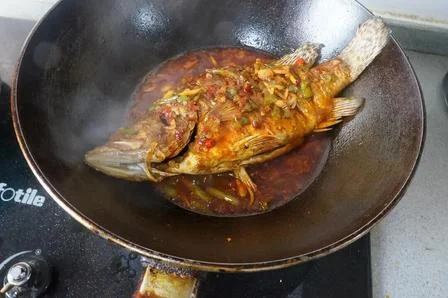
Reduce Sauce Over High Heat & Serve
Remove the wok lid, turn to maximum heat to simmer and thicken the sauce, stop when the sauce turns slightly glossy and viscous (do not boil the sauce completely dry; the savory sauce pairs perfectly with steamed rice). Turn off heat, scatter chopped green garlic stalks / green onions and a pinch of white pepper over the fish, transfer to a serving platter and finish.

Chef's notebook
Chef's Tips
Salt Level Control:
Cured fermented mandarin fish already contains salt. Do not add extra salt throughout cooking. Soaking the fish in light salt water is the key step to cut excess saltiness.
Secret to Garlic-Clove-Like Flaky Flesh:
Sufficient fermentation plus slow braising over gentle heat will make the fish flesh separate naturally into flaky chunks that fall apart easily when picked up with chopsticks.
Eliminate Fishy Smell & Boost Aroma:
Streaky pork is the core ingredient. Its fat balances the strong fermented odor. A small amount of black vinegar and sugar harmonize the overall flavor and prevent the dish from tasting overly salty.
Simplified Lazy Version:
You may skip bamboo shoots and streaky pork if unavailable. Simply braise the fish with ginger, garlic and chili peppers in brown sauce for an equally authentic taste.
Reader Reviews
0 reviews